First larp – how to find your way in a new hobby
Anna Wiśniewska
Dec 23, 2025
You already know what a larp is, but you may still have many questions and doubts. We’ll try to answer some of them. At first glance, the larp community can seem colorful, loud, and highly enthusiastic, which may feel overwhelming, but rest assured, we are also open and happy to help.
What’s the difference between a larp and a table-top RPG?
In a table-top RPG, you sit at a table and describe what your character does. In a larp, you do it for real. Instead of saying “my character sneaks around and eavesdrops,” you actually try to overhear a conversation happening nearby.
The story unfolds simultaneously in many places, involving both players and NPCs. You don’t need to consult or report every decision to the Game Masters – we usually call them organizers, or orgs.
What does the event itself look like?
Before the larp begins, we share various documents: a larp guide, practical information, and tutorials. You have time to read everything at home, and if anything is unclear, you can ask us on Discord or by email. We also organize Q&A sessions where you can meet the creators of the larp and ask about what awaits you.
On site, we usually start with workshops. We summarize the key information, introduce the game space, and explain the rules. This is the moment to match faces with character names and go over details with the people your character has relationships with.
Once the game starts, organizers acting as Game Masters and NPCs oversee the gameplay at all times. There is usually also a rest area available, where you can step out of character for a while – check your phone or grab a snack.
At a set time, after a specific event or an announcement from the organizers, the game ends. Then the after party begins. This is when we socialize and have fun together as people, not characters.
After returning home, we encourage you to check Discord. We create channels for sharing favorite moments from the larp, and within a few weeks we send out photos from the event. We remain available and open to conversation.
Am I even suited for this?
You don’t need to be an actor or an extrovert. People with very different personalities play larps and find enjoyment in different ways – some thrive in leadership roles, while others prefer plotting and intrigue. There are also players who focus on spending time more quietly: immersing themselves in the game’s atmosphere and enjoying simple observation of the world around them.
In the end, it’s a bit like stepping into a favorite world for a while – not every minute is about chasing tasks or saving the world. Sometimes you just want to appreciate a moment of calm in a moody library, listen to stories in a tavern, or take a walk down a forest path and be alone with your character’s thoughts.
During your first larp, it usually takes a moment to really get into it. It’s completely normal to observe more at the beginning, but after a few conversations and story events, things tend to become much easier. If, however, after some time you still find it hard to engage, reach out to the safety person present at the game or to an organizer. We’ll try to find a solution together.
Remember that no one at a larp is judging your skills. Although there are professional actors in the community, the vast majority are enthusiasts who play larps simply for fun.
What am I supposed to do there?
You do what your character would do in a given situation. You talk to people, uncover the story, make decisions, and react to the world and to other players. If you’re not sure what to do, starting a conversation with another character is always a good first step. Sometimes a bit of small talk can turn into the beginning of a beautiful friendship – both in game and out of it.
Do we do everything “for real”?
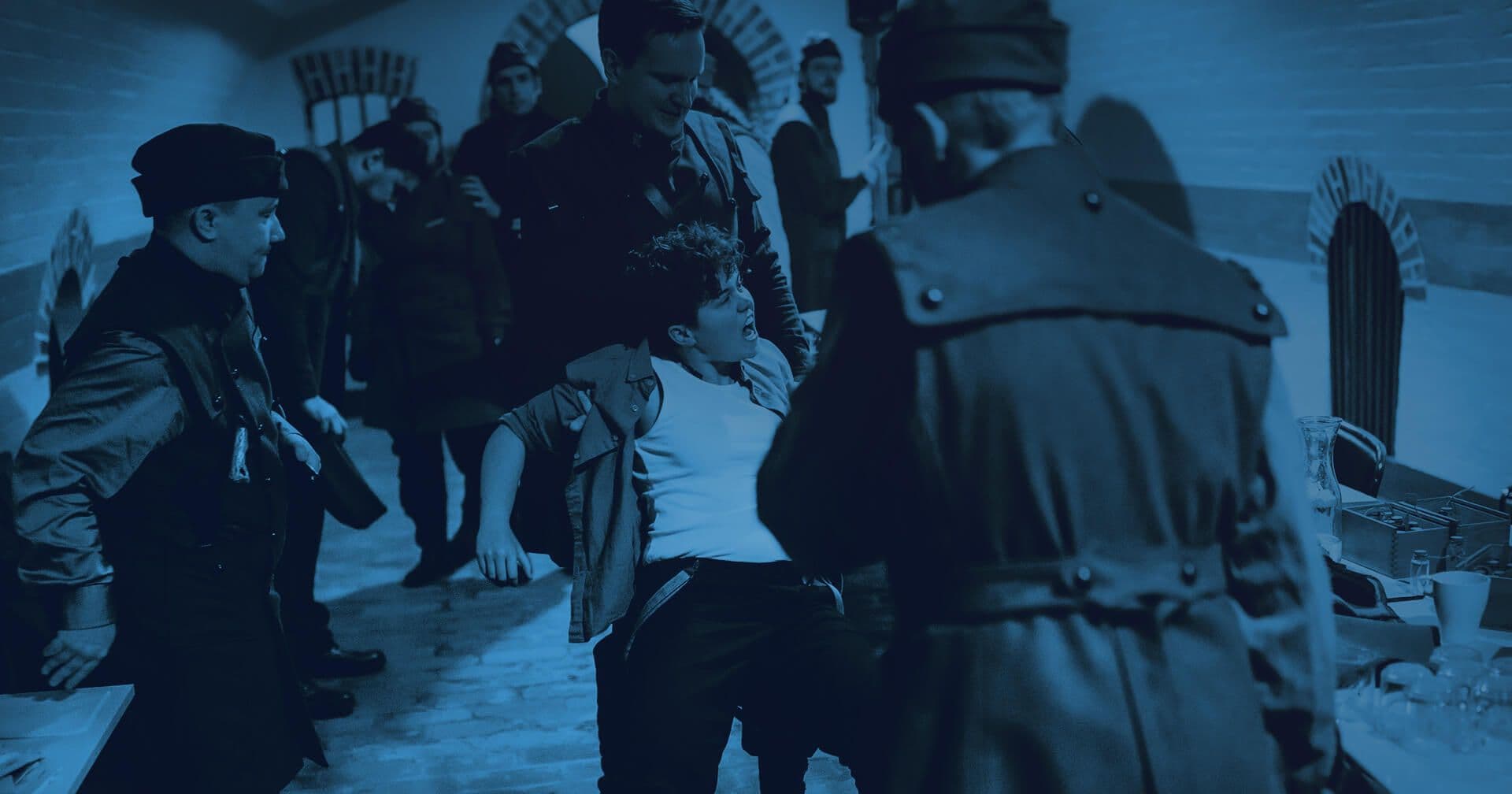
Even though we play larps in beautiful locations, wear costumes, and step into our characters, it is still just a game. We usually don’t use real violence – it is replaced with theatrical forms presented during workshops.
Similarly, kisses and sex are played out in an agreed, symbolic way – for example, through a head massage.
How much can I add to my character?
As much as you want and as much as you need. The character sheet gives you the key information, and those elements should be respected. Decisions about things like a favorite color, appearance, or details from the past can be added, if you feel it will help you enjoy the game more.
Importantly, your character can also change during the game – influenced by events or developing relationships, they may be someone quite different by the end of the larp ;)
What if I don’t like it?
First of all, let us know that you’re not having a good time. We’ll try to find a solution together. If, however, despite our help you decide that this kind of experience is not for you, you can always leave the game before it ends.
Does everyone already know each other?
No – although it may seem that way. In the larp community, greeting each other with hugs is common, and many people introduce themselves by nicknames rather than real names, which can give the impression that everyone has been close friends for years. Of course, some people do know each other very well, but events also include plenty of new players and people from different, smaller communities.
In your character sheet, you’ll have relationships written with at least a few other characters, so you don’t need to know the players beforehand to get into the hobby.
How can I ruin the game?
The only things that truly ruin the game are ignoring other people’s boundaries and breaking the rules. Everything else is part of creating the story together – and that story often isn’t perfect, which actually adds to its realism.
You are not ruining the game if you:
- don’t know what to do
- mix up a character’s name
- play in a way someone didn’t expect
Where do I get a costume?
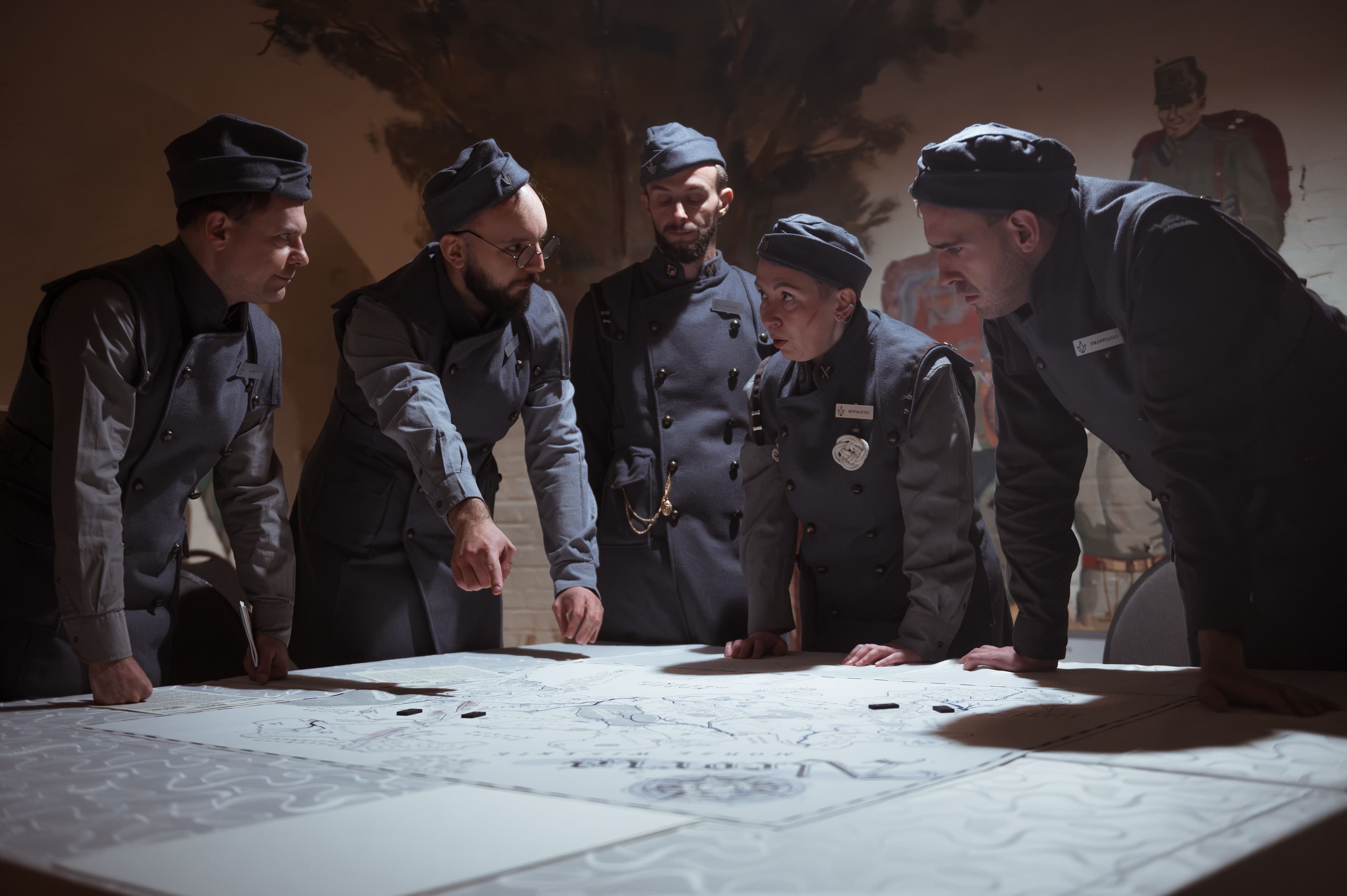
For most of our games, we don’t provide costumes (the exception is the Krystalium, where a uniform and cap are included in the larp ticket price). Costume rental shops, thrift stores, and shops offering larp clothing are all good places to look. You can usually achieve a great effect by combining creativity with treasures found in second-hand stores. We’re also always happy to help – for example, by providing a costume guide for a specific larp to suggest how your character might look.
Glossary
Larpers, like any community, have developed their own terminology. We often weave into conversations words that may not be clear to people who are new to the hobby. Below is a basic glossary of terms you may encounter.
character sheet – a document that tells you which role you are playing. It describes your character’s relationships with others, goals, motivations, and life story
Game Master / organizer – the person who oversees the game, often its author and the equivalent of a director
immersion – being deeply absorbed in the game world. “Immersive” moments are those when a scene or the entire game feels very realistic
in-game – things, places, and phenomena that exist within the game world
mechanics – a symbolic way in which certain actions, such as violence or magic, are represented in a larp
NPC – a non-player character, portrayed by someone who is not a player, with a specific purpose defined by the scenario. NPCs support the storyline and the players’ experience
off-game – things, places, and phenomena that do not exist within the game world
off-top – an out-of-character conversation or comment. It breaks mood and atmosphere when someone brings up the real world or private matters during a larp
org room – the player support point, a place where you can find the organizers, including a safety person who helps deal with difficult emotions
preplay – the time before the game when specific tasks introducing the storyline are carried out
safe weapon – a realistic-looking weapon replica made of foam, used to represent combat. When used correctly, it should not cause injury
setting – the world and reality of the game. Examples of settings include the world of The Witcher, a post-zombie-apocalypse reality, or high fantasy
thematic – referring to items, actions, or speech that fit the recreated world (for example, sneakers at a Witcher larp would be considered non-atmospheric footwear)
Previous entries: